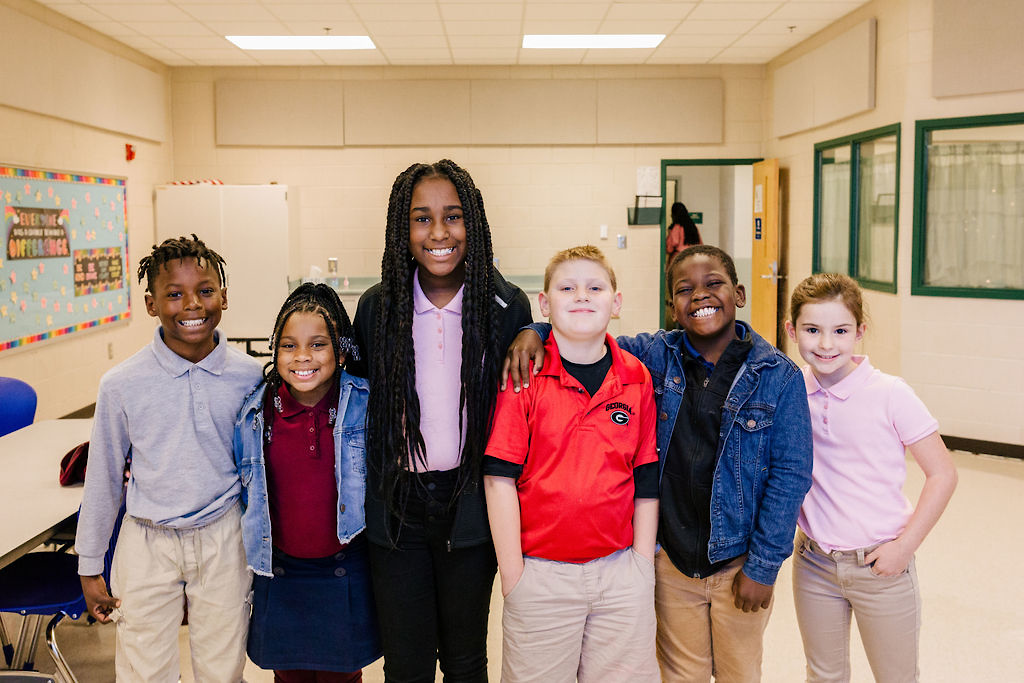
“The evidence, the history, the research, all tells us what we need to do. The question is whether we have the courage to rebuild the system of public education in a way that is just and equitable for all students.”
Rey Saldaña (President and CEO of CIS National)
At Communities In Schools of Whatcom-Skagit, we strive to authentically represent the students and families we serve. One of the main tenets of our mission and vision is to empower students to succeed in school and in life, despite immediate and systemic barriers. We believe that transformative relationships are essential for unlocking each student’s potential. Our success is built on embedding principles and practices of diversity, equity, and inclusion into our strategies, culture, and behaviors. To that end, our team is committed to strengthening community-building alliances and restorative practices that result in bridges of understanding, respect, racial equity, and inclusion for all. By doing so, we aim to dismantle immediate and systemic barriers, fostering and maintaining equitable outcomes. Our goal is to create a community where all children are celebrated for their diversity and treated fairly, not as a privilege, but as a right.
CISWS is dedicated to fostering a workplace that embraces everyone, allowing each individual to be their true selves and celebrating that authenticity as a strength. As an equal opportunity employer, we are committed to recruiting, employing, training, compensating, and promoting individuals regardless of age, race, creed, gender, religion, marital status, veteran status, national origin, disability, or sexual orientation. Our dedication to promoting diversity, multiculturalism, and inclusion is woven into the fabric of our organization. Diversity, equity, and inclusion are not just commitments—they are the very foundation of all that we do.
Diversity means understanding that each individual is unique, and recognizing our individual differences. These can be along the dimensions of race, ethnicity, gender, sexual orientation, socio-economic status, age, physical abilities, religious beliefs, or other ideologies.
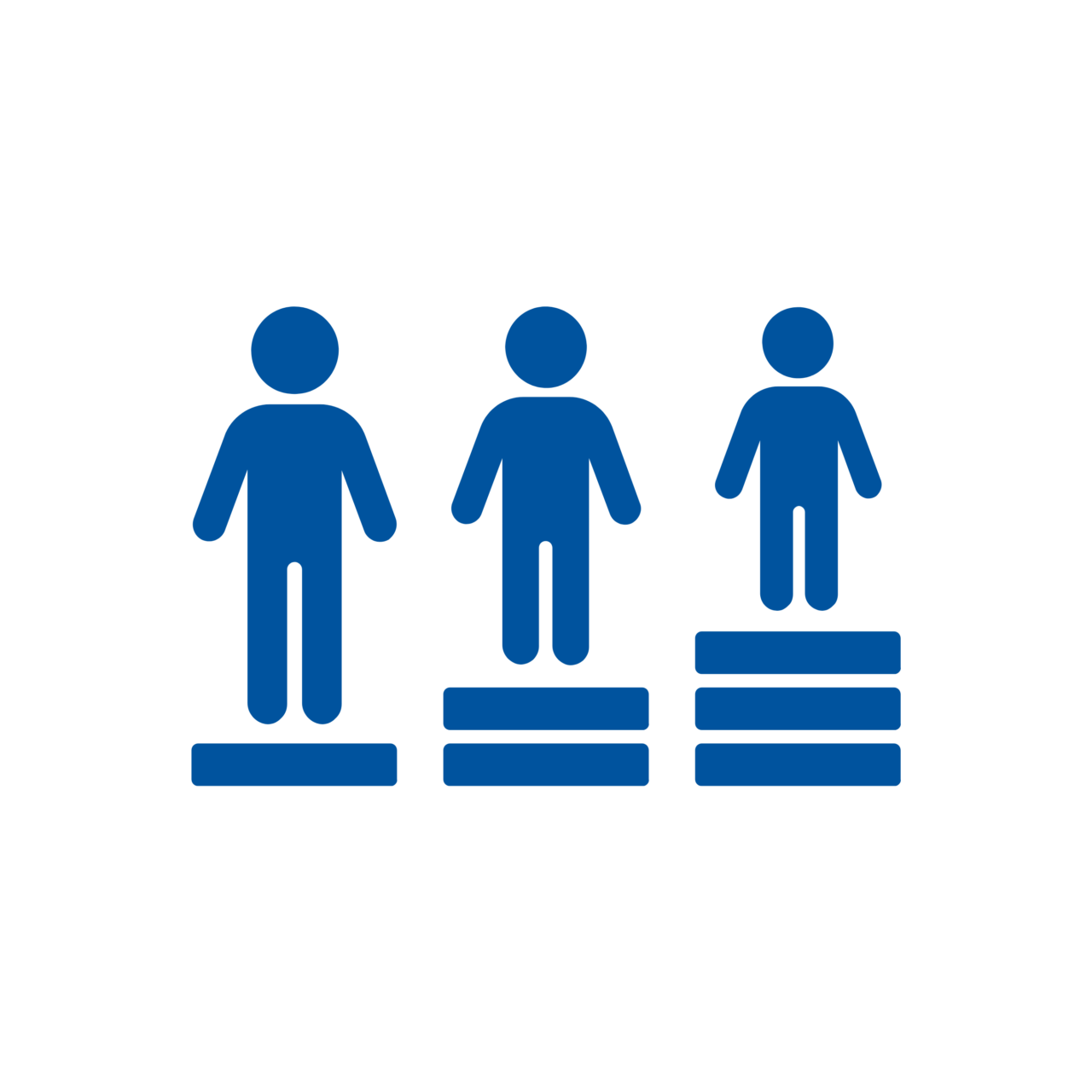
Equity is the fair treatment, access, opportunity, and advancement for all people, while at the same time striving to identify and eliminate barriers that have prevented the full participation of some groups.
Inclusion is the act of creating environments in which any individual or group can be and feel welcomed to participate while being respected, supported, and valued.
Belonging refers to the feeling of being accepted, valued, and included within a group or community. It encompasses a sense of security and support, where individuals can express their true selves without fear of judgment or exclusion. Belonging is characterized by mutual respect, understanding, and the recognition of each person’s unique contributions, fostering a cohesive and inclusive environment.

Land Acknowledgement
We acknowledge that we are gathering on the ancestral homelands of the Coast Salish People, including:
Lummi (Lhaq’temish) Nation who are the original inhabitants of Washington’s northernmost coast and southern British Columbia.
Nooksack (Nuxwsa’7aq) Tribe, who have lived on and cultivated these lands and waterways since time immemorial.
Swinomish (Swədəbš) who are the Coast Salish peoples that descended from tribes and bands that originally lived in the Skagit Valley and Samish River Valley, the coastal areas surrounding Skagit, Padilla, and Fidalgo bays, Saratoga Passage, and numerous islands including Fidalgo, Camano, Whidbey, and the San Juan Islands.
Upper Skagit (Sq’íq’icidabš) who are descendants of a tribe that inhabited 10 villages on the Upper Skagit and Sauk rivers in western Washington state. The 84-acre Upper Skagit Reservation lies in the uplands of the Skagit River Valley, east of Sedro-Woolley in Skagit County.
Samish Indian Nation who are the successors to the large and powerful Samish Tribe, a signatory to the Treaty of Point Elliott in 1855. The Tribe’s traditional territory stretches over a wide region of the Salish Sea in Northwest Washington, from the tops of the Cascades Mountains to the far western shores of the San Juan Islands.
These tribes have deep historical roots in the region and continue to contribute to the cultural and social landscape of Whatcom and Skagit Counties. It is our duty to educate ourselves and learn about their rich histories, traditions, and ongoing contributions. By fostering mutual respect and understanding, we can honor their legacies and work together towards a more inclusive and respectful community.
Native Learning Resources:
Native Land Information System
Living Nations, Living Words: A Guide For Educators This guide provides teachers and educators with ideas for incorporating U.S. Poet Laureate Joy Harjo’s signature project, “Living Nations, Living Words,” into their classrooms. The project showcases the diverse voices of 47 contemporary Native American poets.
Native Now: The Dos and Don’ts of Talking Respectfully about and with Native People
NEA’s Land Acknowledgement Guide
Land Acknowledgements are a reminder that every major city, town, and municipality benefits from the dispossession of Indigenous land and people. It is a formal recognition of that painful reality and history and a small first step in truth, healing, and reconciliation. This guide outlines why land acknowledgements are important, how to approach them, and includes further actions to support Indigenous communities.